About Dewey C. Gevik
In the early 1990s, The Wall Lake Restoration Project successfully removed 1.5 million cubic yards of sediment from the body of water just east of here. This area is designed to preserve the lake by providing a buffer from future siltation and other pollutants from runoff.
Dewey Gevik was an individual who lived a life dedicated to the preservation of soil & water. His legacy continues in the dams, terraces, & countless trees that are a result of a lifelong career in conservation work. It is to Dewey's memory, the Minnehaha Conservation District dedicates the Dewey C. Gevik Outdoor Conservation Learning Area.
Points of
Interest
The Dewey C. Gevik Outdoor Conservation Learning Area has two walking trails known as the Short Loop (1/2 mile walk) and the Long Loop (3/4 mile walk). Directional signs will show you where to turn on the path.
Touch a pin to see points of interest.
 Educational Sign Locations
 Trail Photos
Profiles in
Soil Health
Video Locations
The SD Profiles In Soil Health videos were created to promote the use and adoption of soil health practices throughout the state of South Dakota. Their creation was organized by the SD Soil Health Coalition through a grant with USDA-NRCS SD and features farmers and ranchers sharing their firsthand experiences with adopting and utilizing these practices on their operations.
Videos filmed in 2017 Videos filmed in 2018  Videos filmed in 2019
Did you
know?

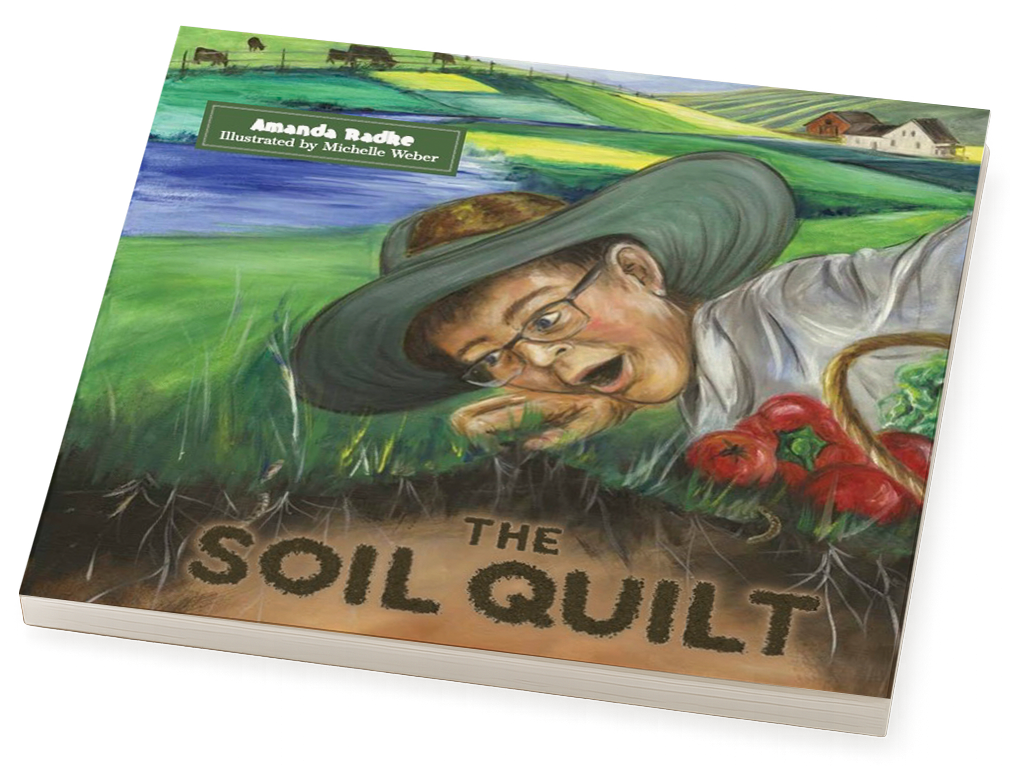
The Soil Quilt
A Children's Book
Interactive Storybook
Enjoy an interactive, read-along version of The Soil Quilt. Tap the button below to open the book in a full-screen window.
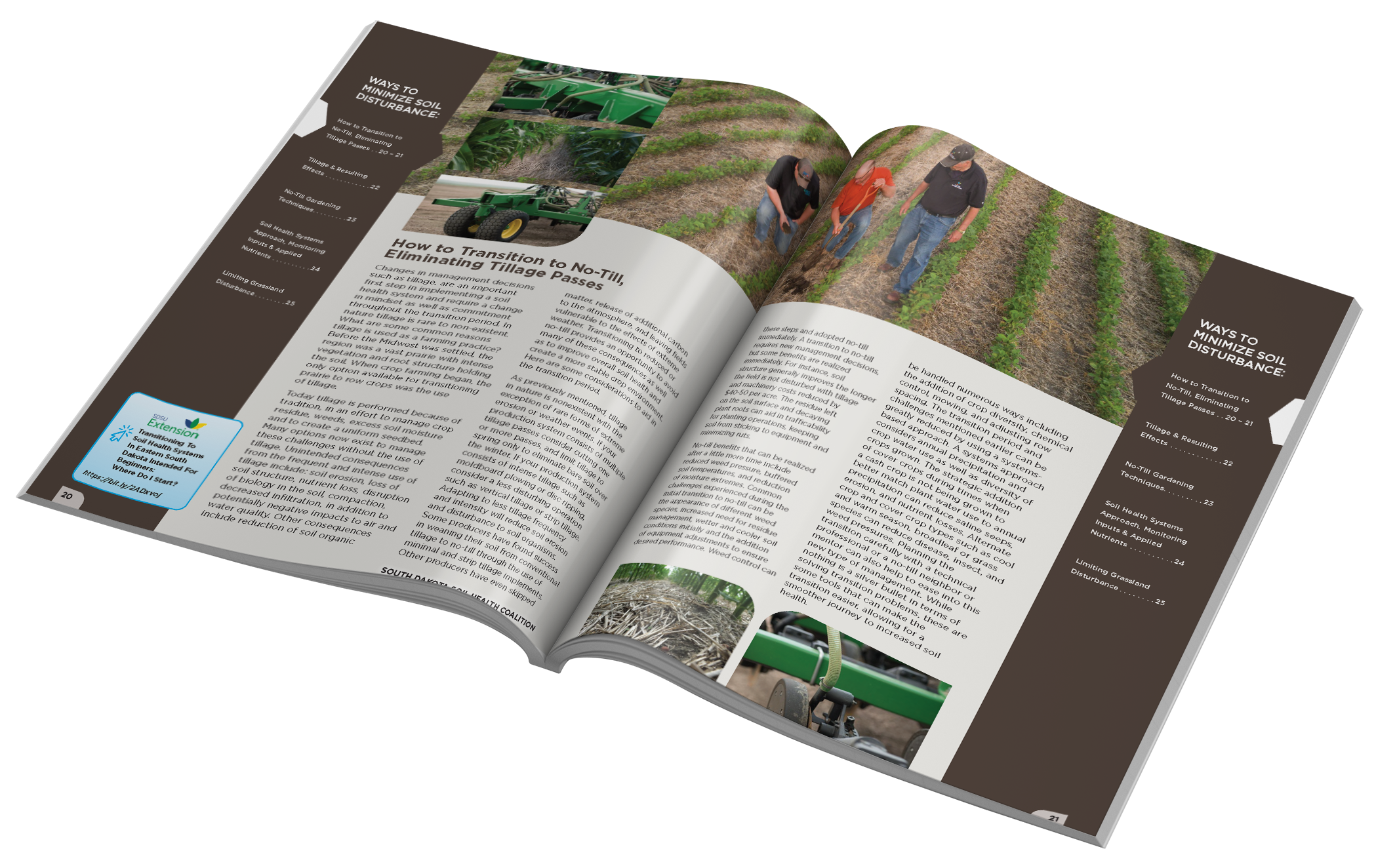
SD Soil Health
Handbook
Reference Guide
This book is your guide to soil health principles, practices and options for your operation. If you want to learn more about soil and find advice on how to implement good soil health practices, the South Dakota Healthy Soils Handbook is just what you need. You can read and download the entire book here. For the best viewing experience, we recommend the following web browsers: Chrome, Safari, Edge or Firefox. If you would like a hard copy of the book, please contact the South Dakota Soil Health Coalition.
At Dewey C. Gevik Outdoor Conservation Learning Area
Birdwatching
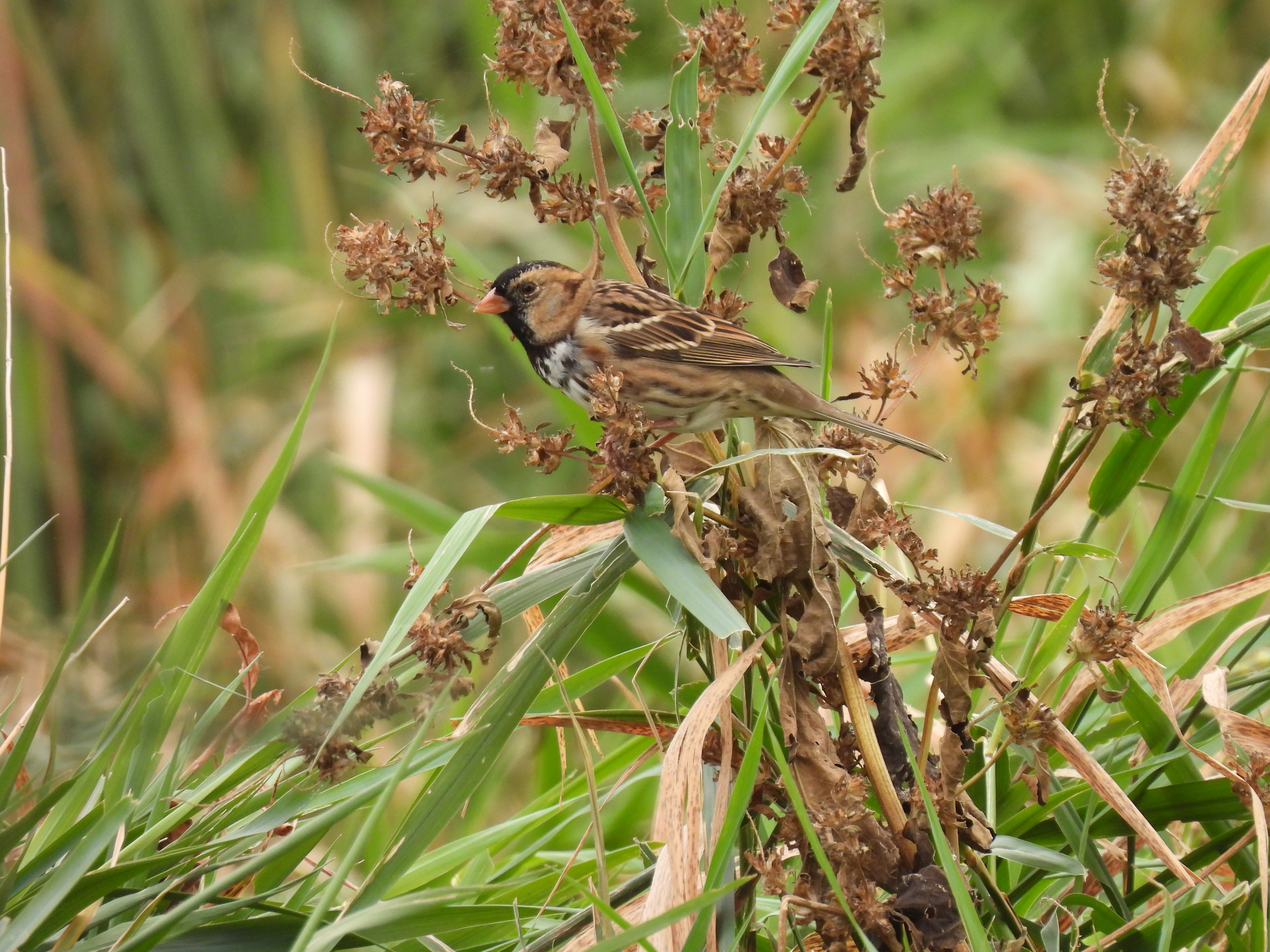
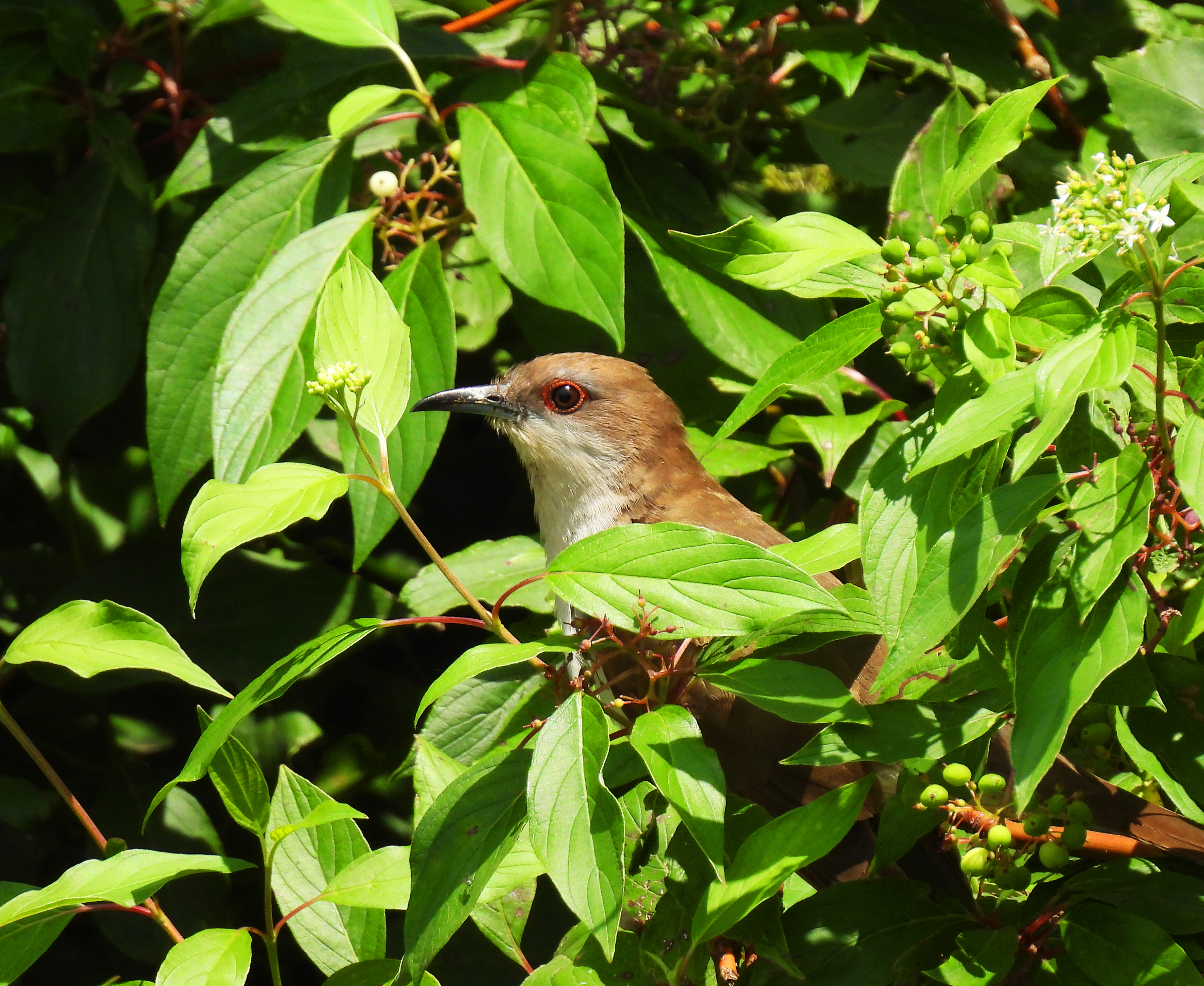
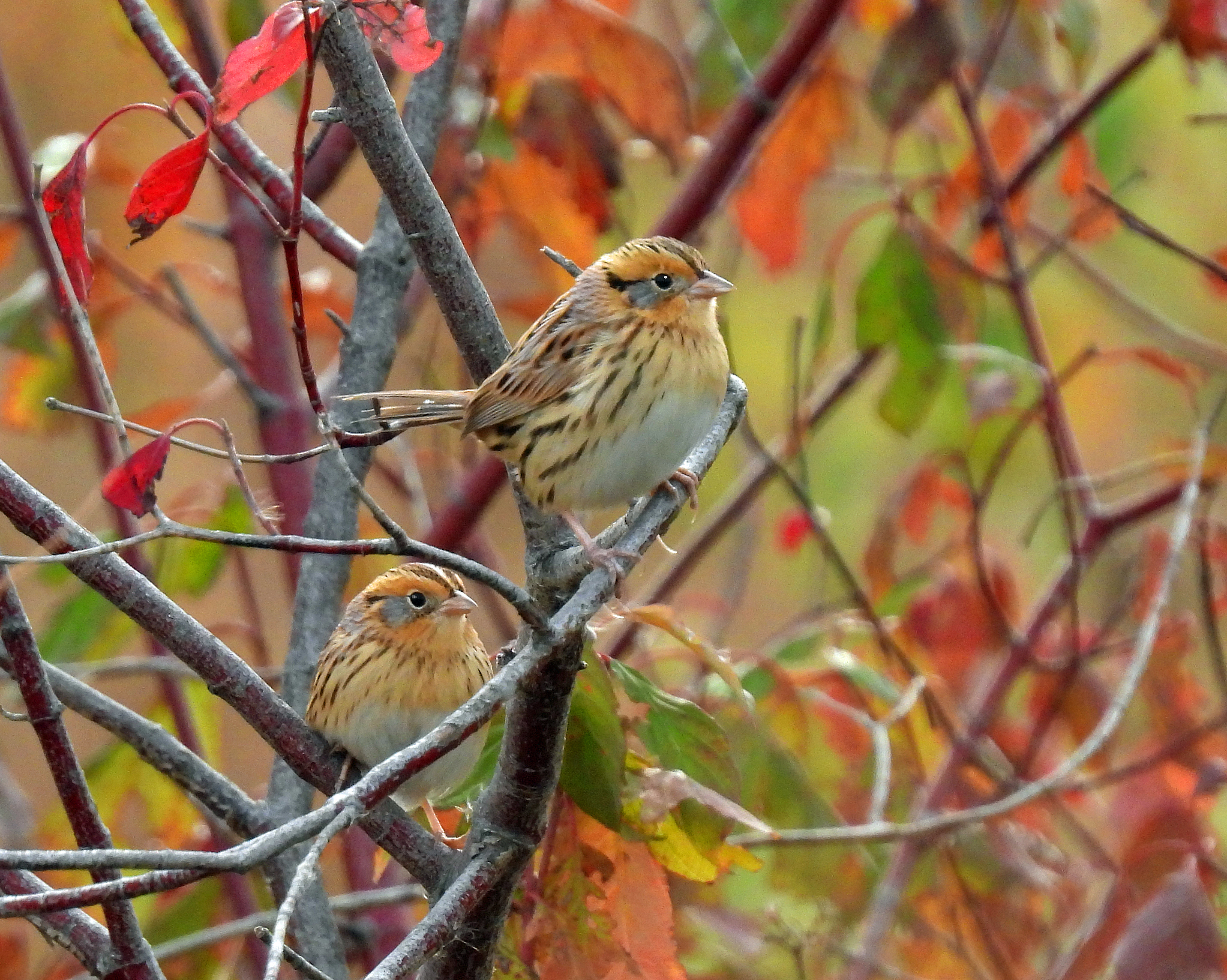
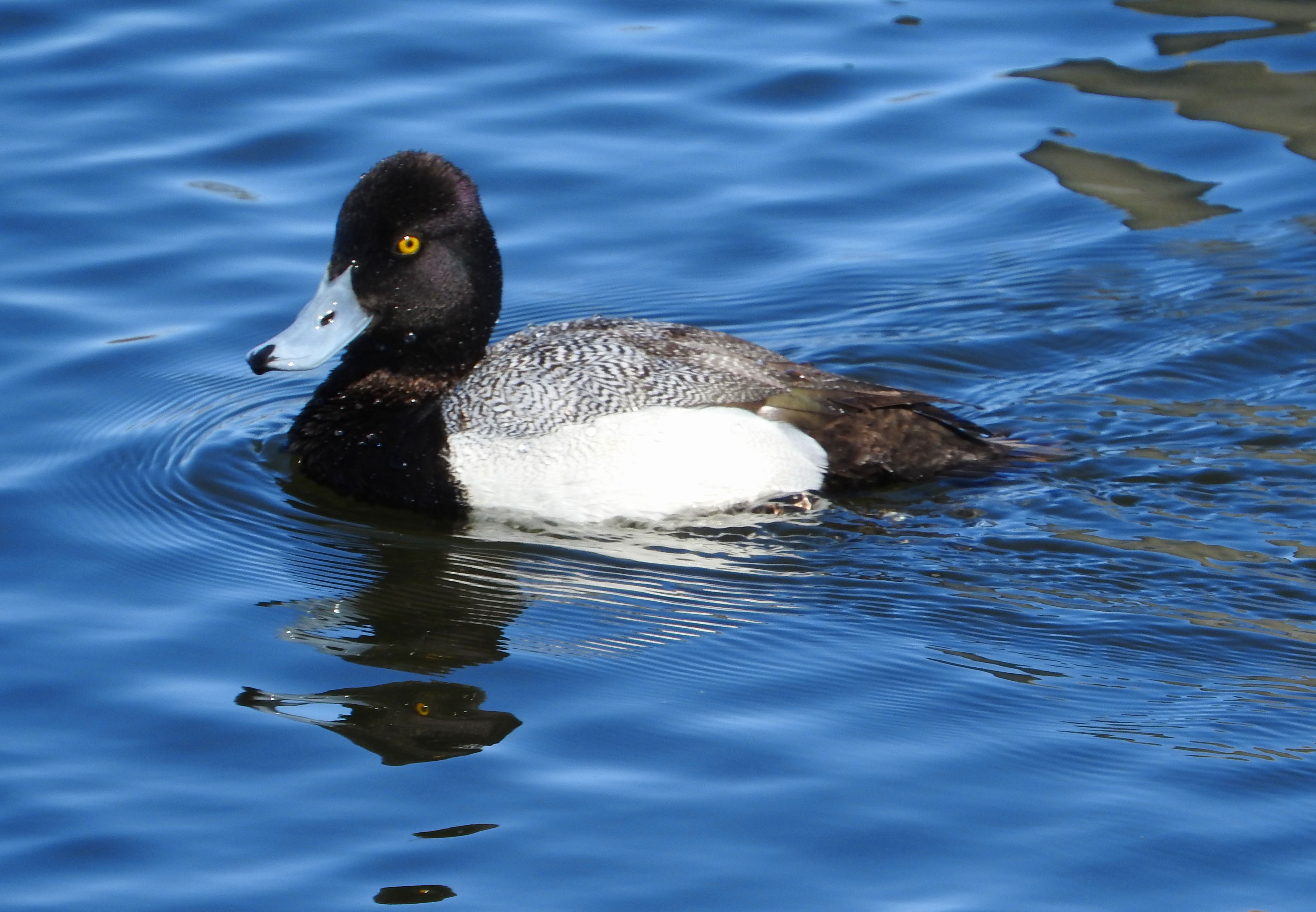
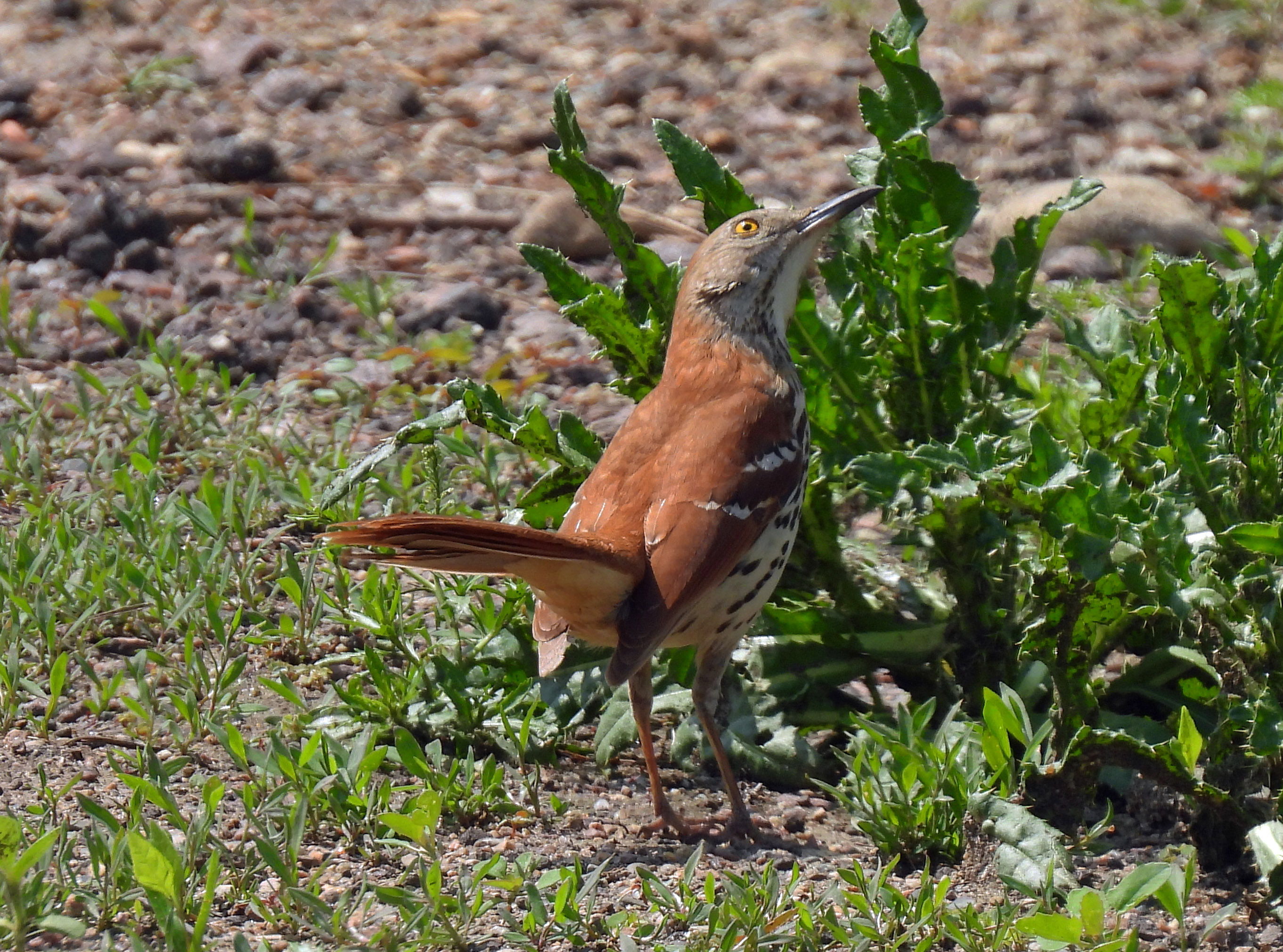
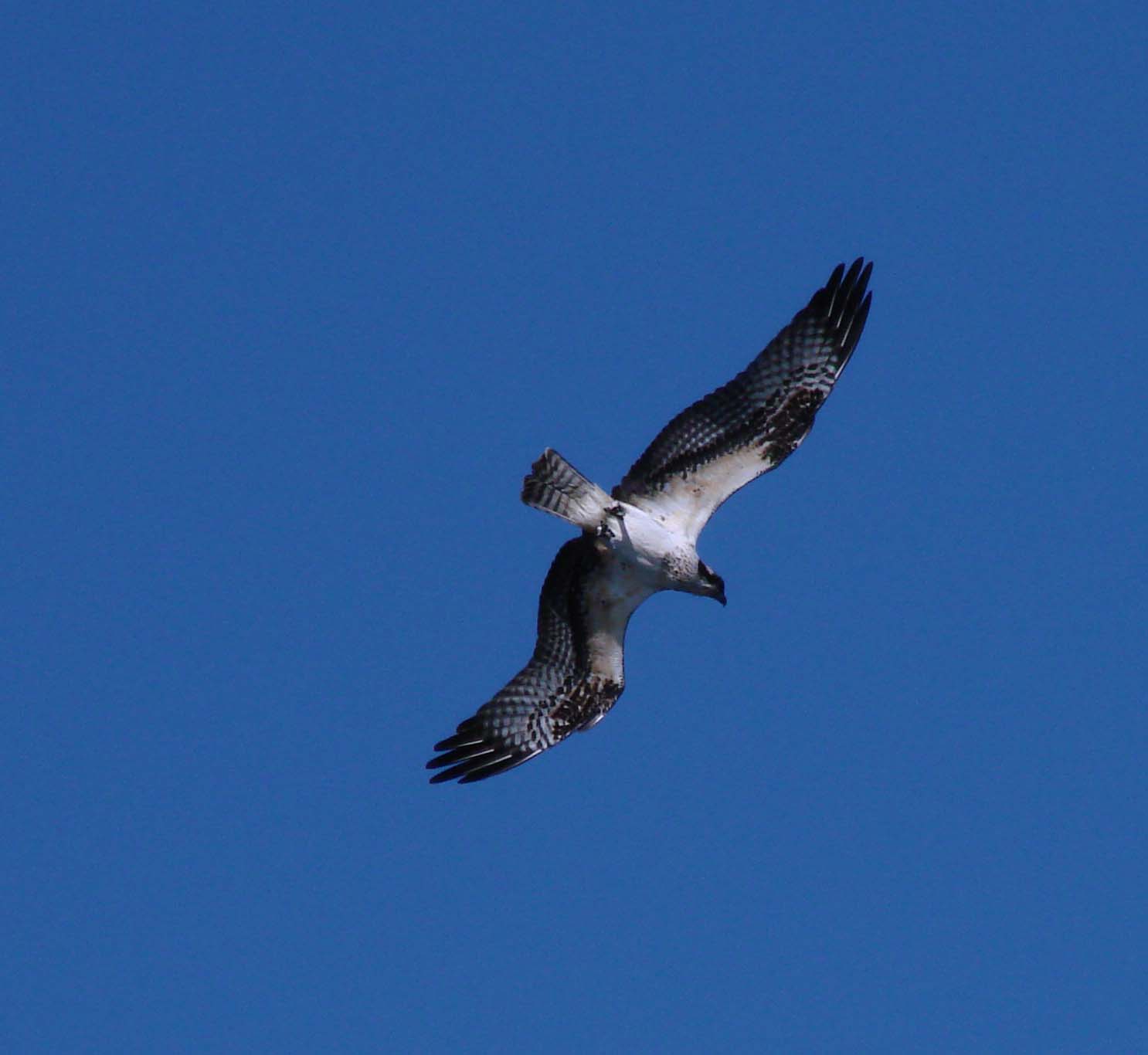
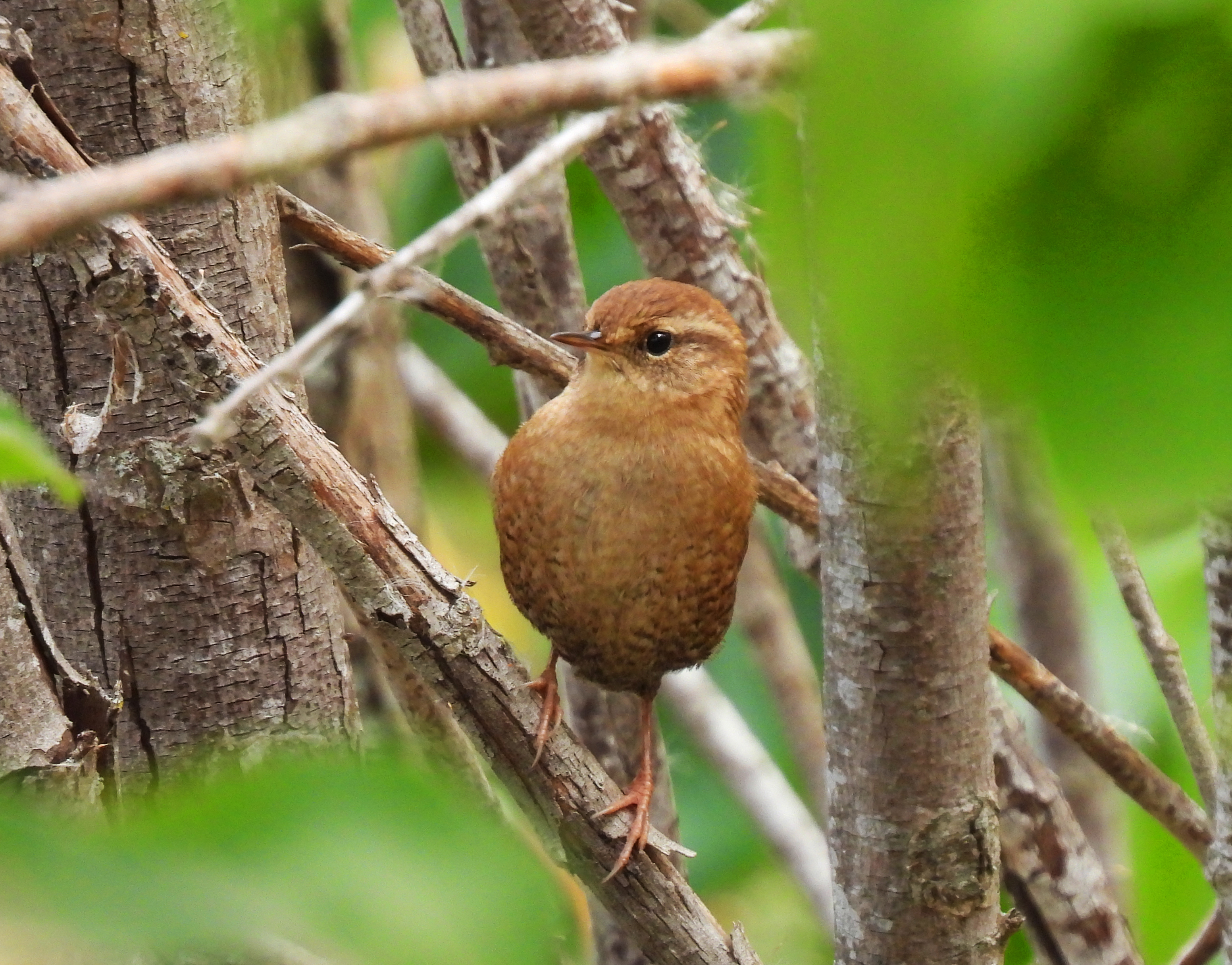
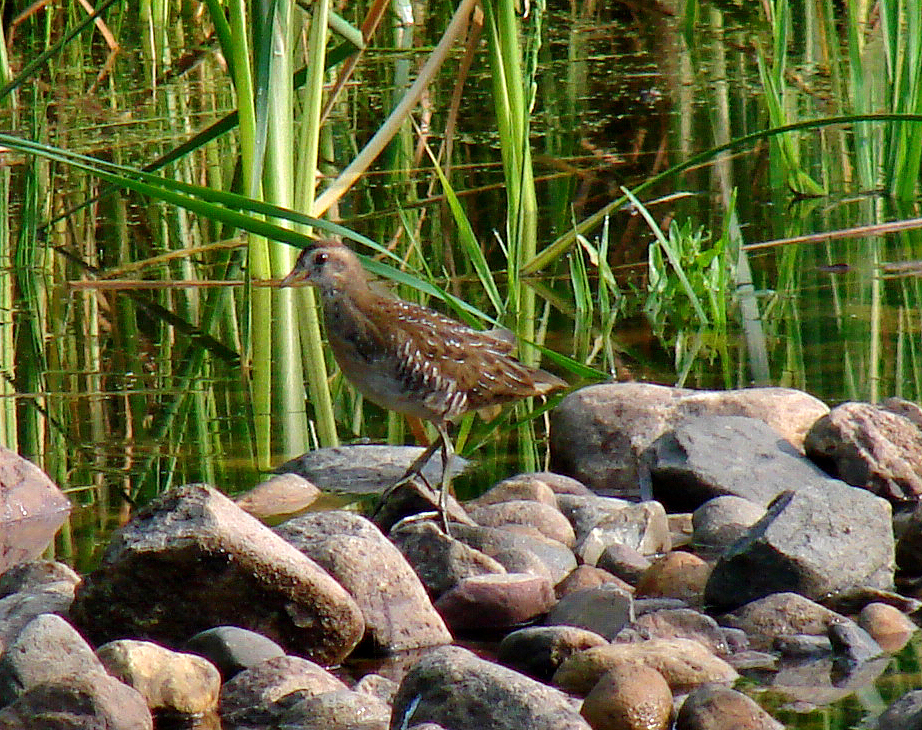
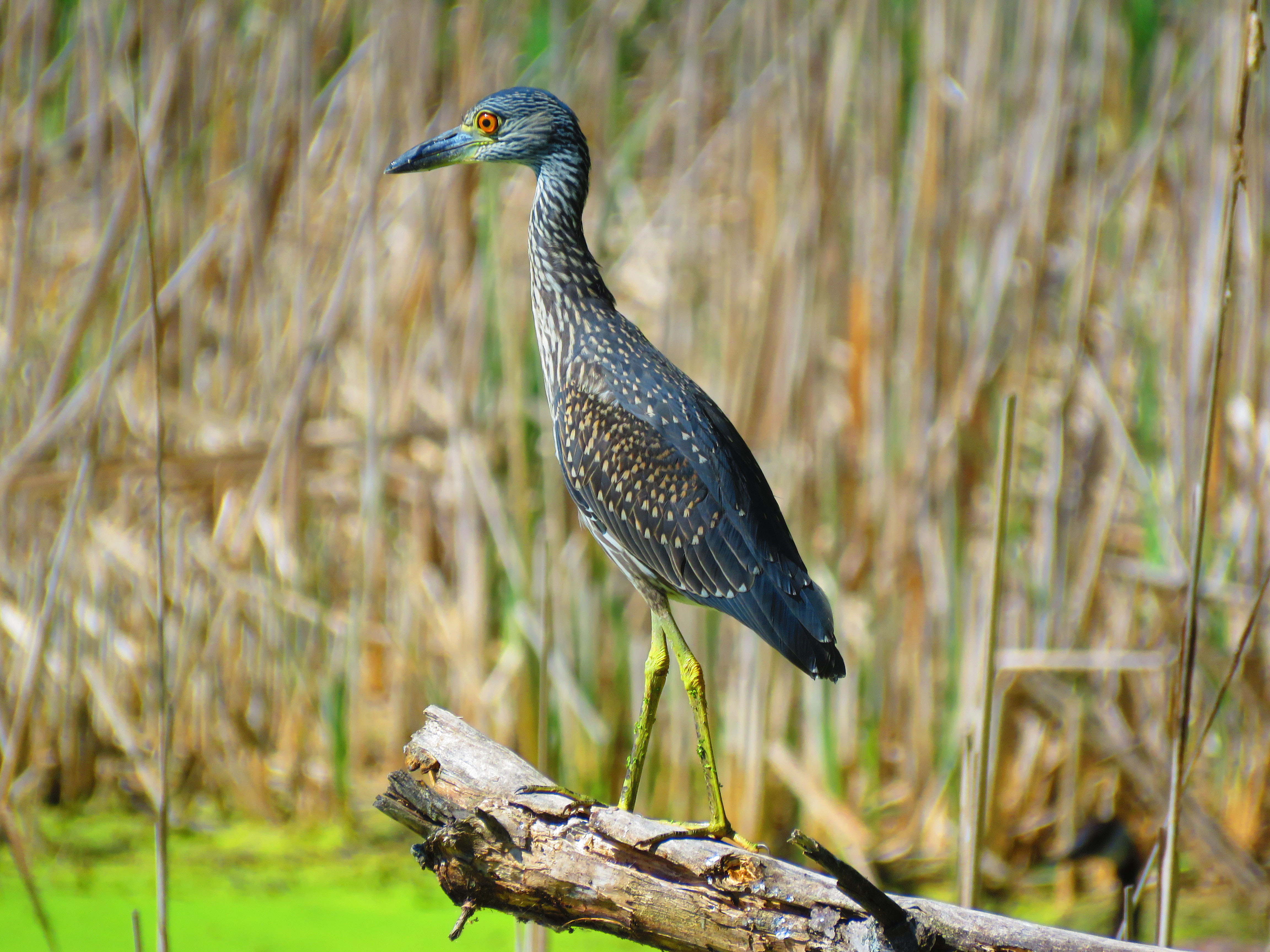
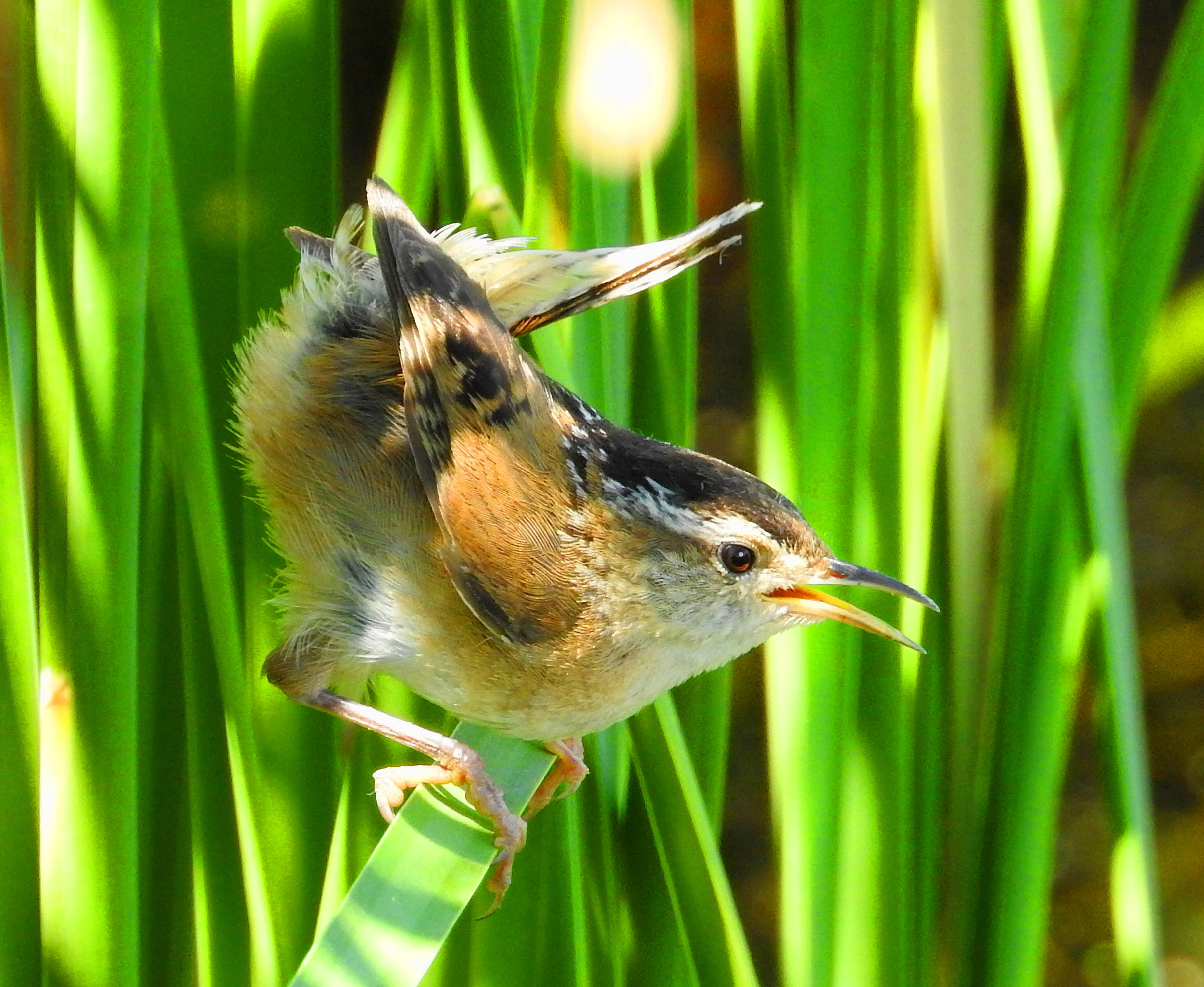
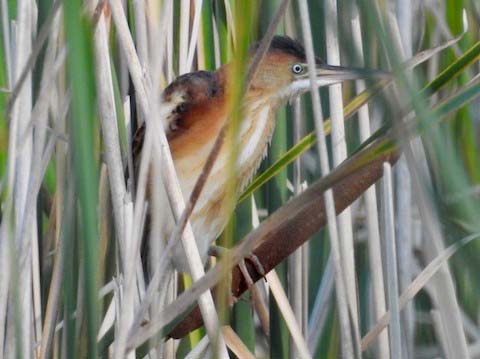
Many different types of wildlife utilize the habitat created through the ongoing conservation work at the Dewey C. Gevik Outdoor Conservation Learning Area, especially birds. From early Spring to late Fall, it is rare to see only one type of bird while visiting the site and some rarer species are known to make an appearance from time to time. Due to this avian popularity, the area is a popular destination amongst birders, attracting both local and regional groups regularly. The Sioux Falls Bird Club even helps to maintain a wildlife blind on site to provide a covered birdwatching spot. To date, over 200 species of birds have been identified here. The Dewey C. Gevik Outdoor Conservation Learning Area is also a registered Hotspot, with more information and pictures available on birdinghotspots.org.
 Scan for Hotspot Info

Additional
Information
Resources & Partners
SD Soil Health Coalition
South Dakota Soil Health Coalition
The South Dakota Soil Health Coalition is a producer-led non-profit organization that works in collaboration with agriculturalists to support the implementation of practices to improve soil health. The Coalition offers resources, training, and events that demonstrate how healthy soil results in vibrant communities. SDSHC has staff members throughout the state ready to help producers and landowners improve their land, their operations, and their communities.

Donations
A donation to the South Dakota Soil Health Coalition is an investment in the future of our state’s farms, ranches, and communities. With your support, we can help producers adopt regenerative land management practices, improve their soil, increase their profitability, improve their operational resilience, and create healthy landscapes and vibrant communities. With healthy soil and robust farms and ranches, we can produce nutritious food, improve our air and water quality, and protect our state’s precious resources for generations to come.

Soil Health School
The Soil Health School is designed for agricultural producers as well as anyone with an interest in learning how to manage soils for resiliency and profit. The agenda features classroom style presentations by producers and technical experts from across the state and region, as well as hands-on experiences in the field. Area producers will share their challenges and successes with various methods for improving soil health, to an average class size of 30-40.
Soil Health Conference
Large scale event bringing the leading local, regional, and international soil health experts to South Dakota. The conference features several keynote speakers as well as a variety of breakout sessions and networking opportunities. Typically, 1.5-2 days in length with an average attendance between 300-400 individuals.
Friends of the Big Sioux River
Water Quality
We all live in a watershed and many of the choices we make can directly affect the health of it as pollutants build up when water moves from smaller bodies of water into larger bodies of water. Watersheds are where we get our drinking water, where we spend recreational time, and as we all know, water sustains life. It is important to work together to help ensure our water quality is maintained, and part of doing that is regularly testing for contaminants. Between May and September every year, Friends of the Big Sioux River (FBSR) conducts weekly water testing throughout our Big Sioux watershed. They test for three primary contaminants that impair water quality:
1) Total suspended solids from soil erosion
2) E. coli from animal waste
3) Nitrates from fertilizer.
The test results from these collections are then used by the South Dakota Department of Agriculture and Natural Resources and posted weekly online.

Minnehaha Conservation District
About MCD: Created in 1941, Minnehaha Conservation District (MCD) administers resource conservation within the boundaries of Minnehaha County in southeastern South Dakota. In all work performed, MCD strives to uphold its mission to promote the sustainable use of natural resources through responsible stewardship by providing quality services and education to the surrounding community.
MCD is self-governed and has the authority to enter into working agreements with government agencies and private citizens to carry out its purposes. MCD will consult with, and make recommendations to, all agencies or organizations helping to promote conservation activities to coordinate efforts into comprehensive conservation programs in Minnehaha County.
Trees & Native Plants
MCD assists in tree planning, along with having a variety of trees and native plants for order annually. Orders for the year are typically finished in early March with pick-up happening around mid-April. Information on trees and native plants that are available from the conservation district changes annually.
Grasses & Garden Kits
MCD has multiple varieties of conservation grass mixes for larger plantings available and offers Prairie and Pollinator Garden Kits for individuals looking to do smaller prairie gardens in urban areas (as small as 100 square feet). A Prairie and Pollinator Garden uses native wildflowers and grasses to conserve South Dakota’s plant heritage, support pollinators, and protect water resources.
Products & Services
MCD provides a variety of services including: Fabric Installation, Seeding (Native grass seeding and no-till drill seeding), Shelterbelt Rehabilitation, Tilling for Tree Planting or Grass Seeding, Tree Planting, and Weed Control (Mechanical and chemical) along with offering a variety of conservation products.